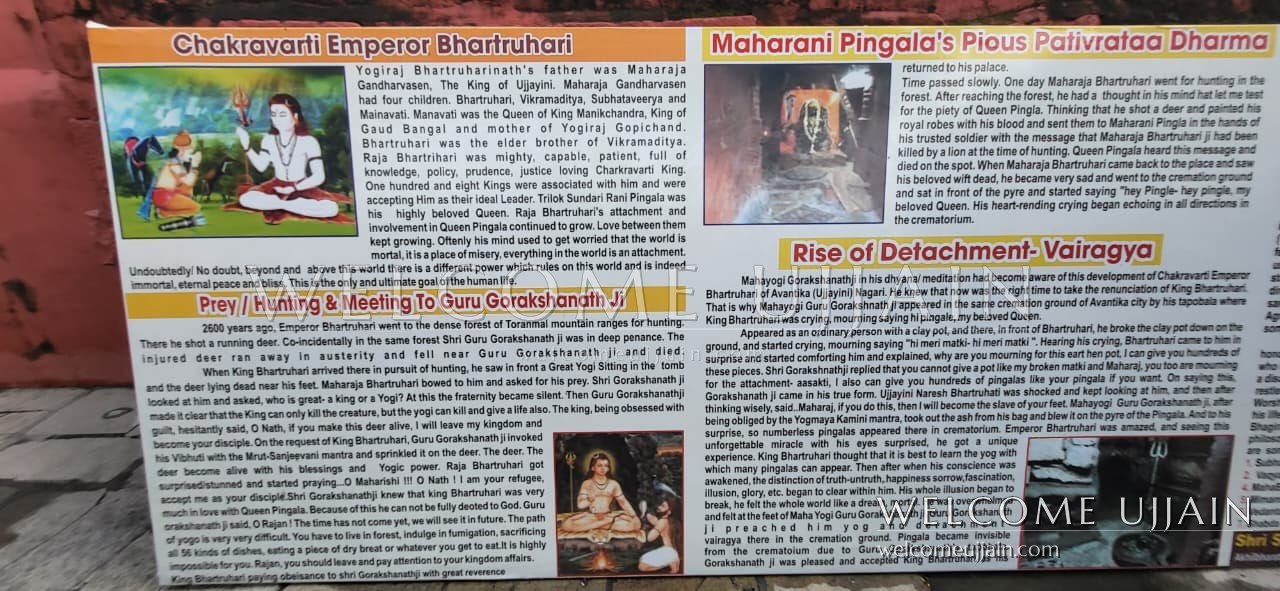
Bhartrihari was the elder brother of Vikramaditya and, by the account on the site's own board, a son of Maharaja Gandharvasen — a king described as mighty, learned and just, with a hundred and eight kings owing him allegiance.
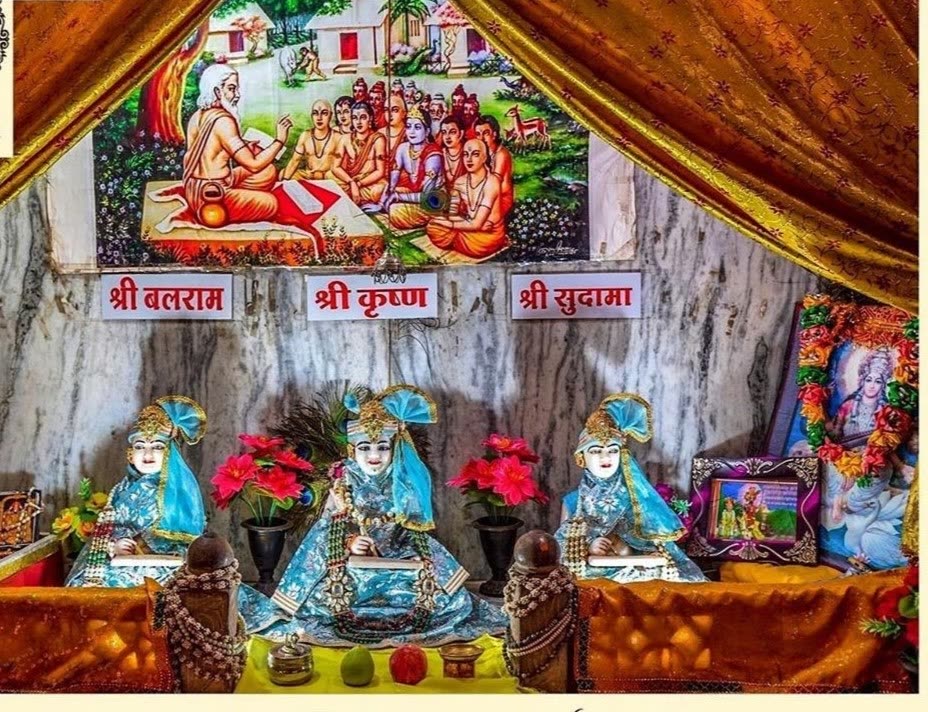
He gave it all up. The story told here turns on his queen, Pingala, and a hunt that went wrong; on grief, and on the moment Guru Gorakhnath appeared in the cremation ground and broke a clay pot at his feet to show him the shape of his own attachment. Bhartrihari renounced the throne and came to these caves.
What you actually see
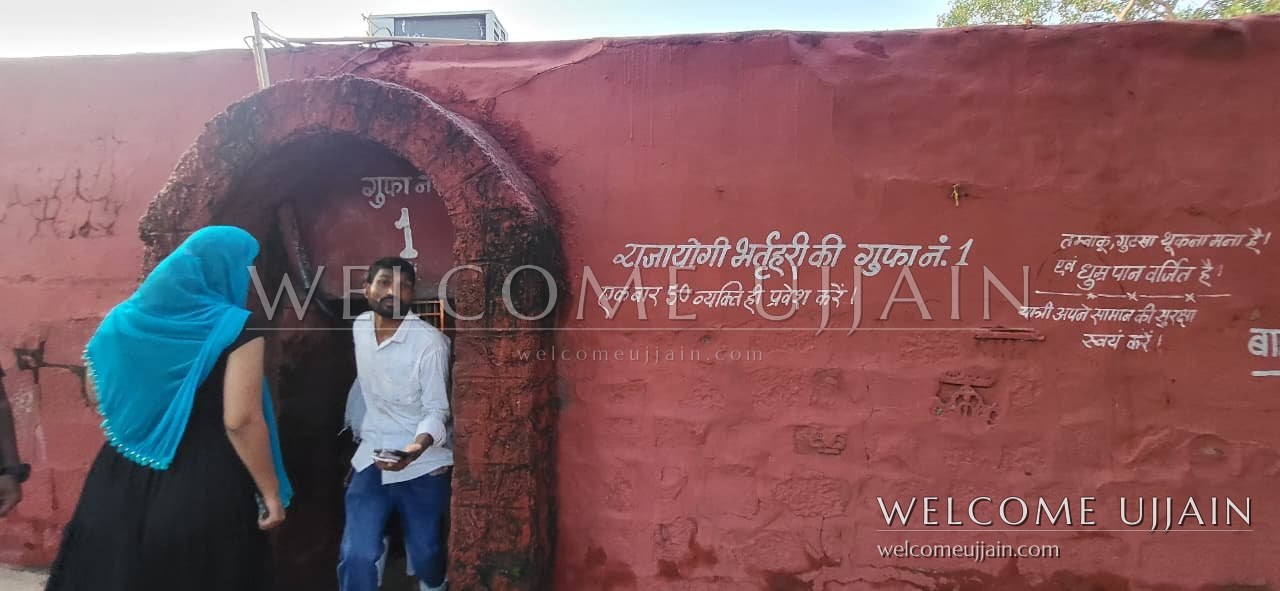
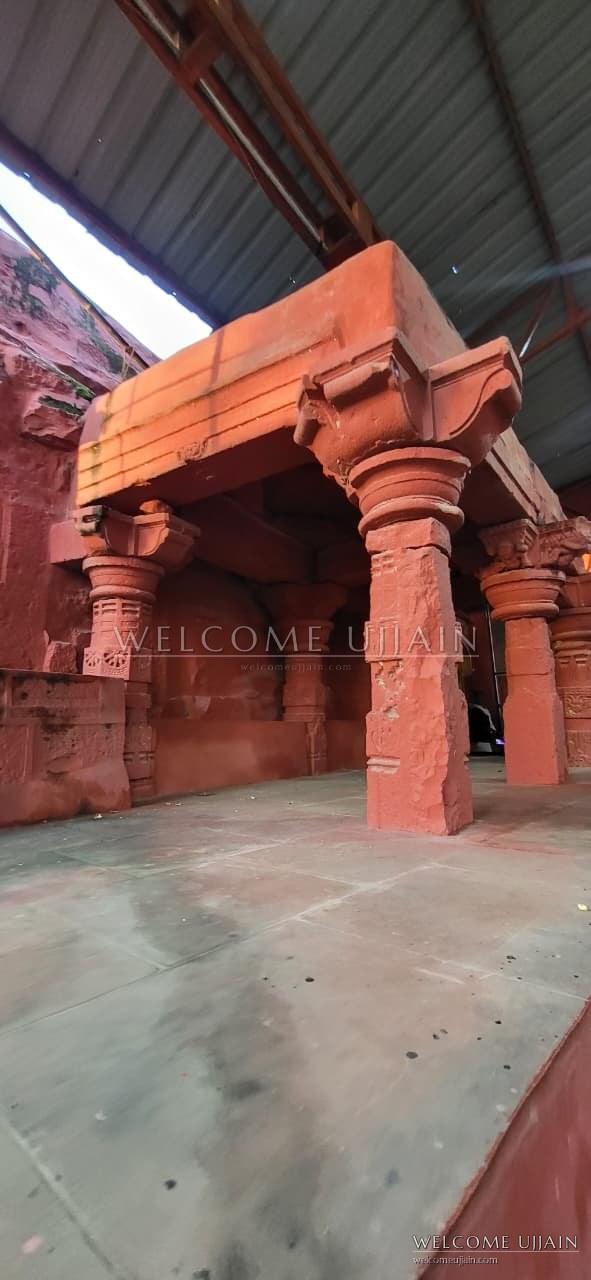
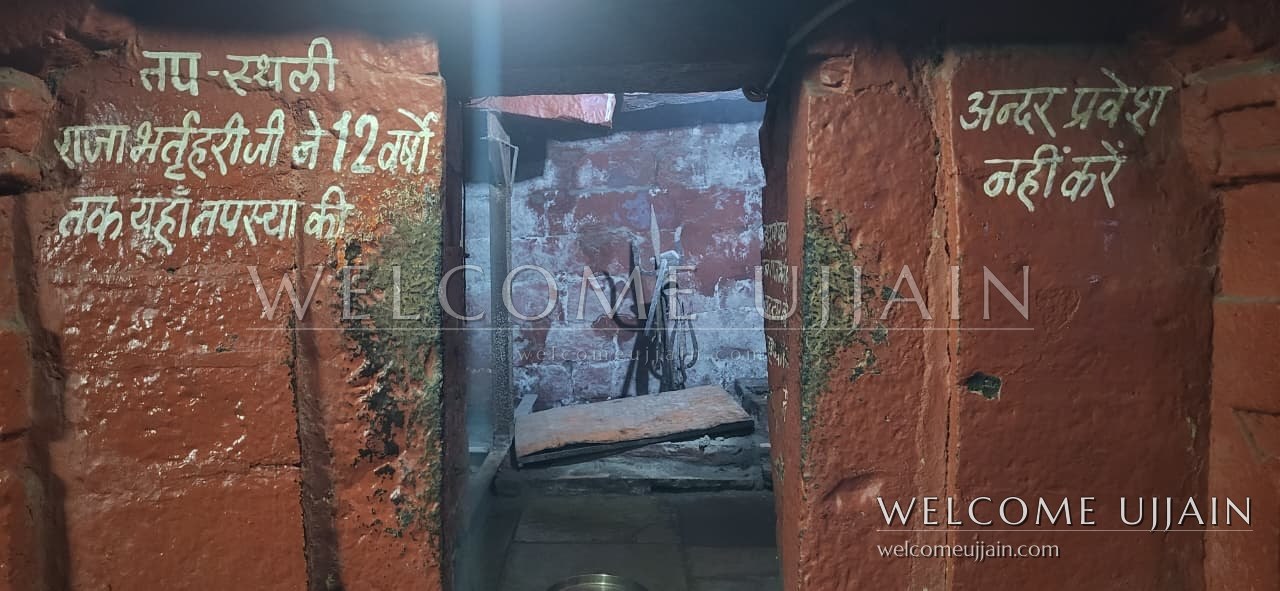
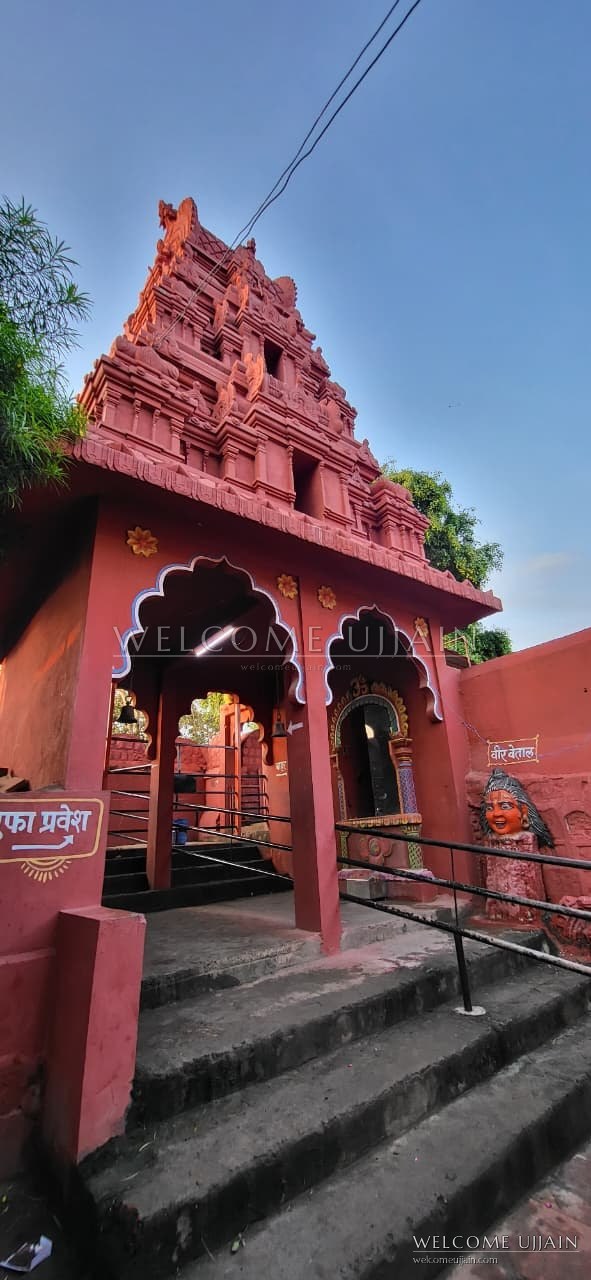
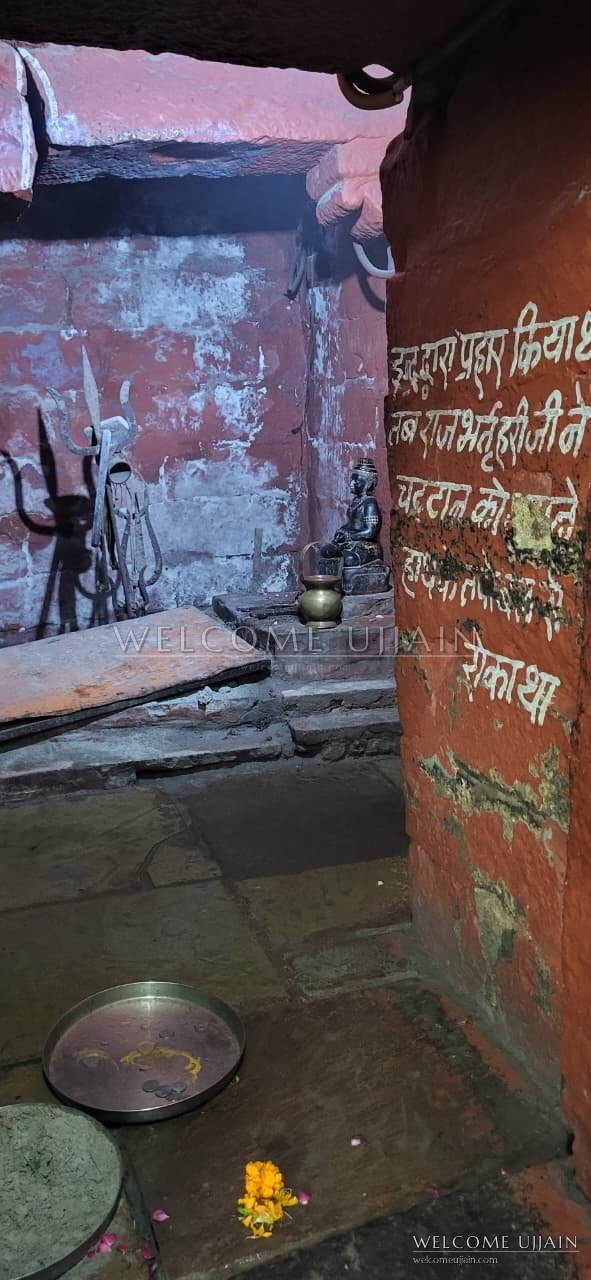
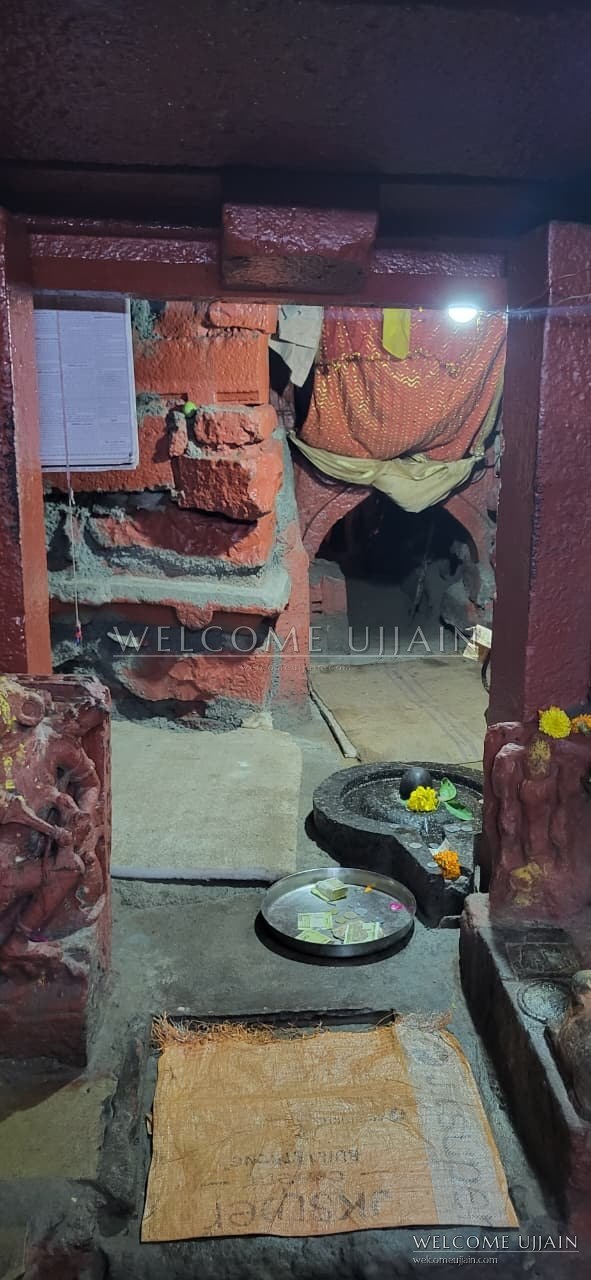
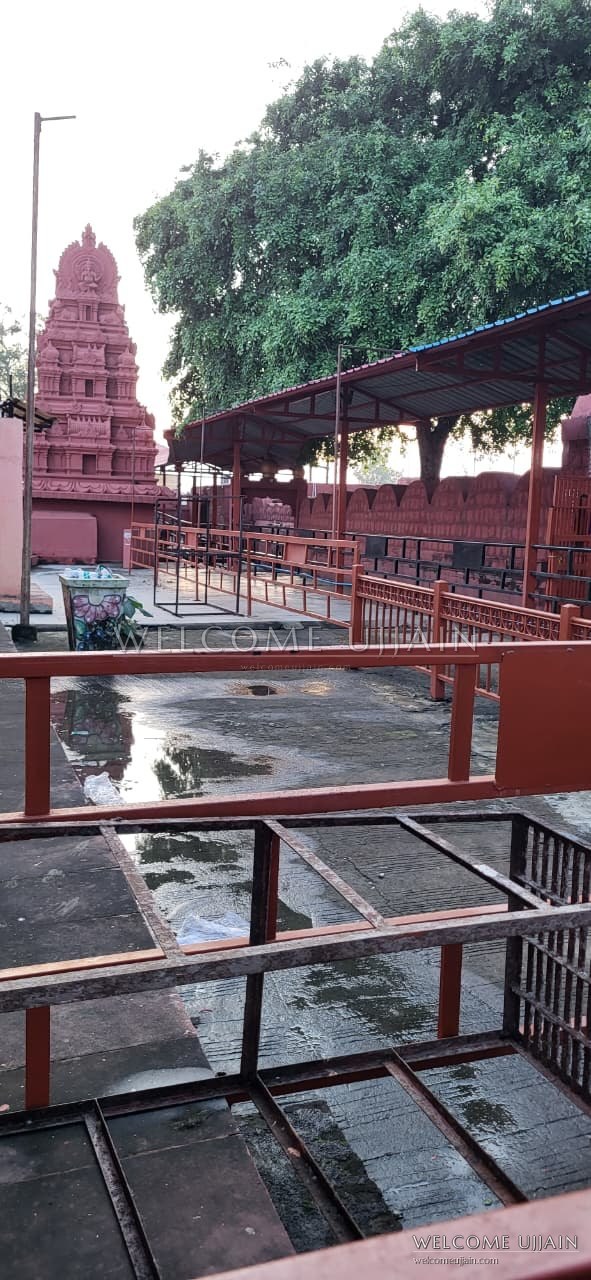
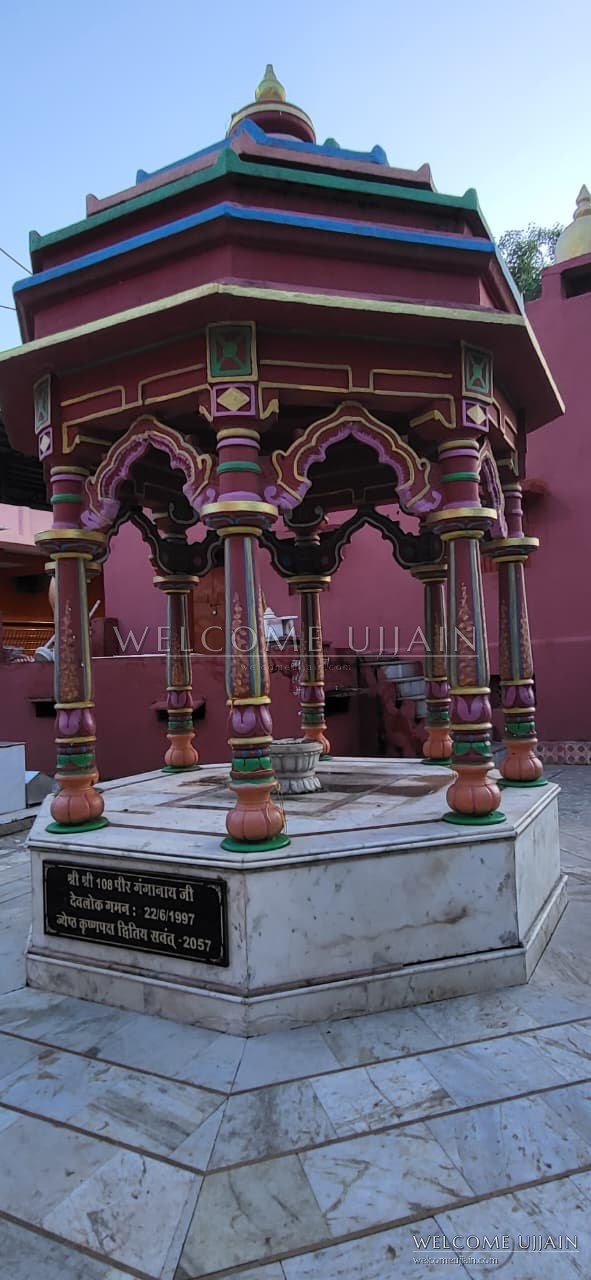
A series of chambers cut into the rock on the bank of the Shipra, entered through a low arched doorway. Inside are pillared halls of red sandstone, worn smooth, with niches where sadhus have meditated for centuries. It is cool, dim and very quiet — a complete contrast to the temple queues.
Access is controlled: a sign at the entrance limits Cave No. 1 to fifty people at a time, so you may wait a few minutes at busy hours.
Why it is worth the detour
Most of Ujjain is about darshan. This is the one place that is about walking away from the world rather than petitioning it — and Bhartrihari's verses, the Shatakatraya, are still read as Sanskrit literature fifteen hundred years on.
Combine it with Gadkalika, which is close by.
- Cave No. 150 visitors at a time
- LocationOn the Shipra, near Gadkalika
- SettingRock-cut meditation caves
- StoryThe king who renounced his throne
Tip — Cool and dim inside — a good midday stop when the open temples are baking.
Frequently asked
How many people are allowed inside the Bhartrihari caves?
The sign at Cave No. 1 limits entry to 50 people at a time, so there can be a short wait at busy hours.