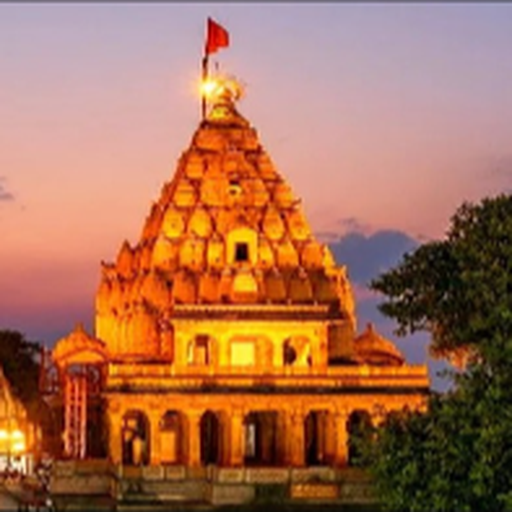
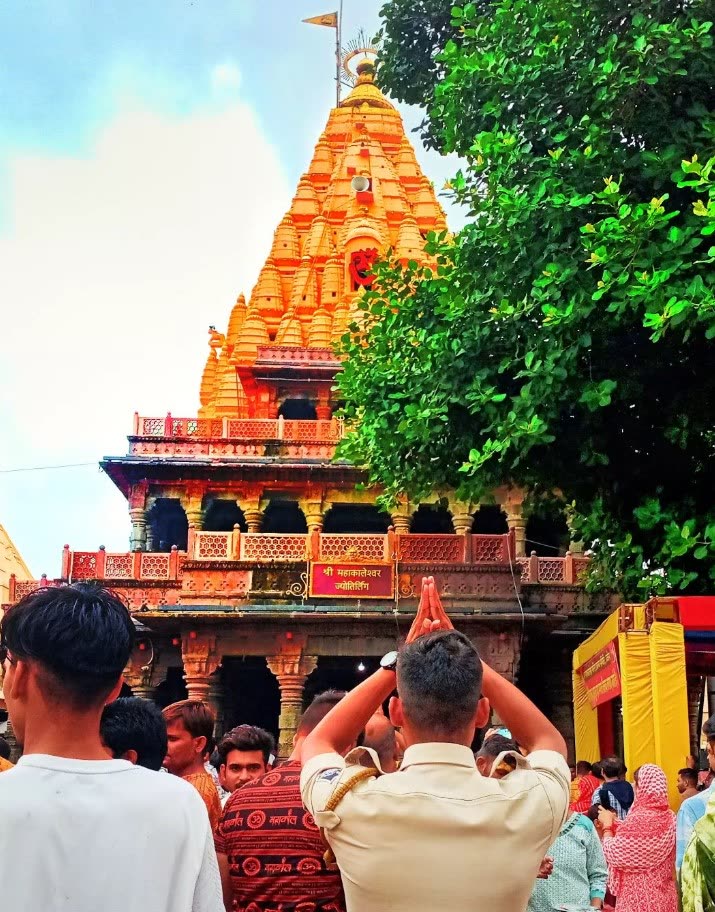
Ujjain does not measure time the way other cities do. Here time itself has a lord — Mahakal — and he has stood on the banks of the Shipra for as long as the city has had a name. Long before Ujjain was Ujjain it was Avantika, and even then pilgrims were walking to this same spot.
Mahakaleshwar is one of the twelve Jyotirlingas, and the only one that is Dakshinamukhi — south-facing, turned towards the direction of endings, unafraid of it. The lingam is swayambhu: self-manifested, not installed by human hands. That single fact shapes everything about a darshan here.
The Bhasma Aarti
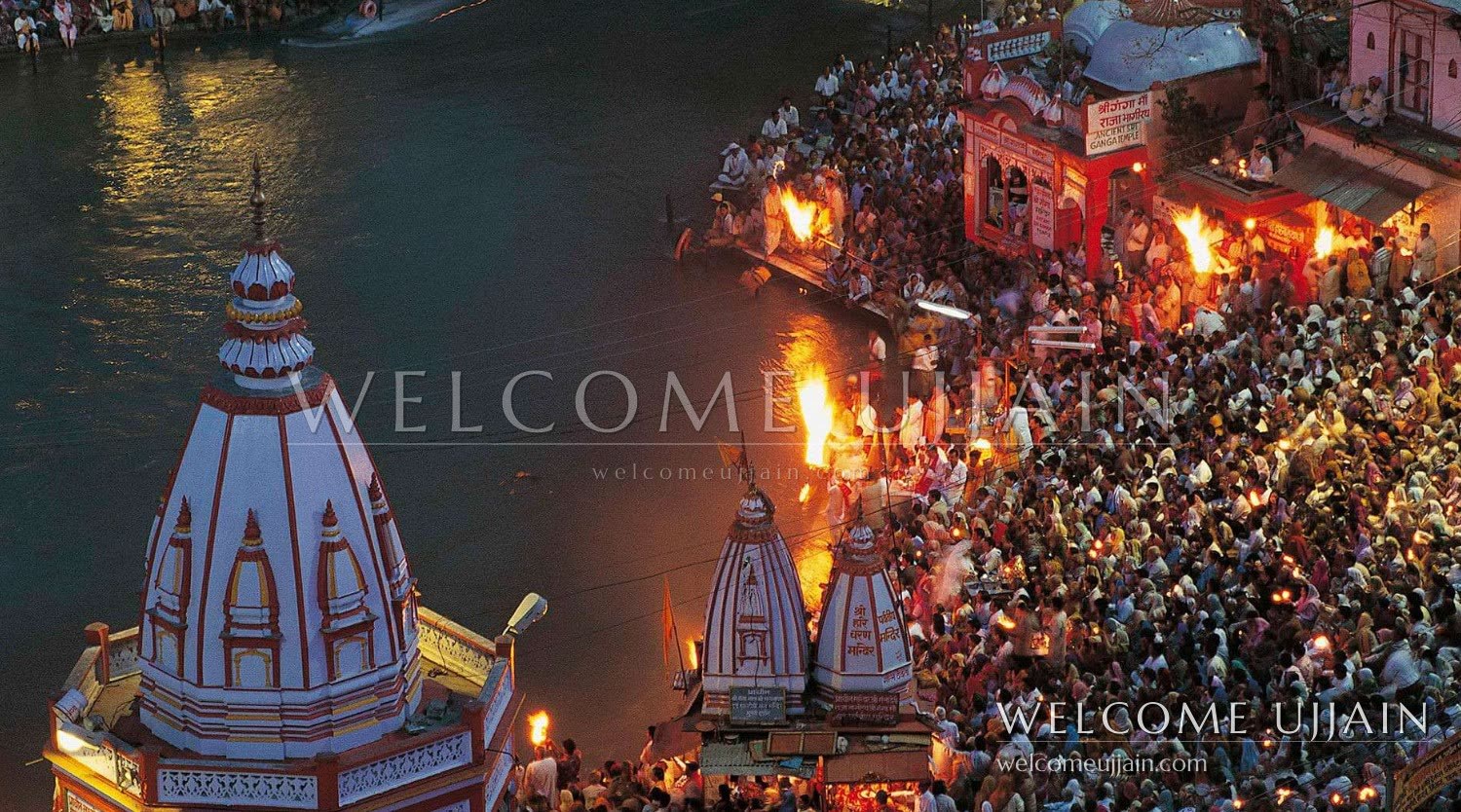
At around four in the morning the sanctum doors open and the lingam is bathed in sacred ash. Conches sound, drums answer, and for a few minutes several thousand people hold their breath together. No other temple in India performs this ritual daily.
Passes are limited and released in advance, with photo ID and traditional dress required for the sanctum. Plan your entire trip around this one hour — it is what people remember years later.
When to go, and what the queue is really like
The temple is open from 3:00 AM to 11:00 PM. Before 7 AM the complex is calm and cool. After 8 AM the general queue commonly runs two to three hours, and on Mondays, through the month of Shravan, and at Mahashivratri it is considerably longer.
Phones, cameras and bags are not permitted inside. Cloakrooms at the gate hold your belongings and footwear; keep only your pass and ID with you.
What stands around it
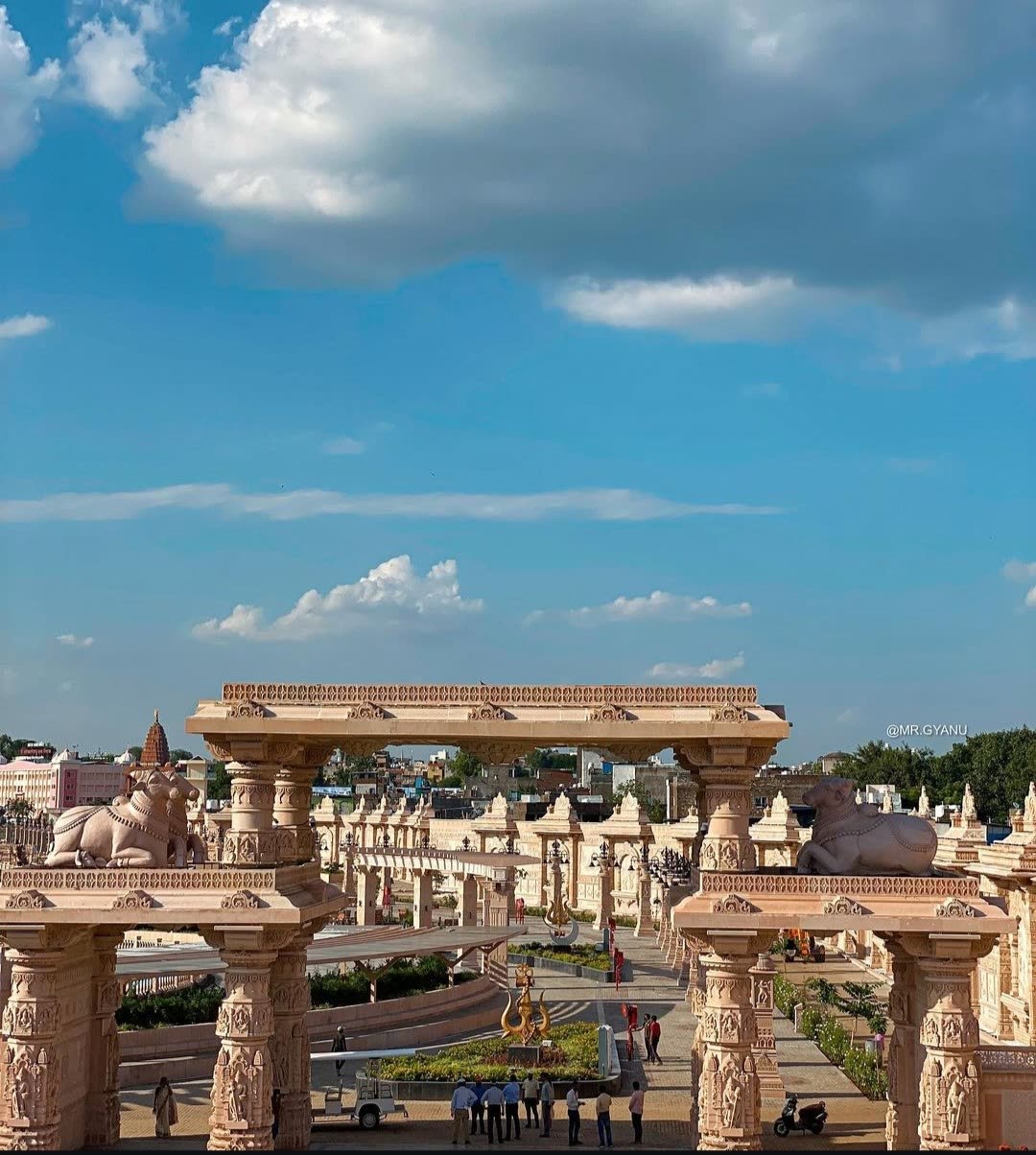
Mahakal Lok begins right beside the temple, so most pilgrims walk the corridor straight after darshan. Ram Ghat is about ten minutes away, and Kal Bhairav an eight-kilometre drive — the classic circuit is comfortably one day.
- Darshan3:00 AM – 11:00 PM
- Bhasma Aarti~4:00 AM · pass needed
- LocationNear Rudra Sagar, city centre
- Famous forBhasma Aarti & Nagchandreshwar
Tip — Book the Bhasma Aarti pass weeks ahead — we arrange it along with a 3:15 AM pickup.
Frequently asked
What time is the Bhasma Aarti at Mahakaleshwar?
It begins at approximately 4:00 AM and runs about two hours. Devotees are seated well before it starts, so reach the temple by 2:30–3:00 AM after entry formalities.
Is there a dress code?
Yes, for the sanctum during the aarti: traditionally a dhoti or kurta-pyjama for men and a saree for women. You can change near the temple.